
India-Pakistan Conflict: Operation Sindoor and Its Aftermath – June 3, 2025
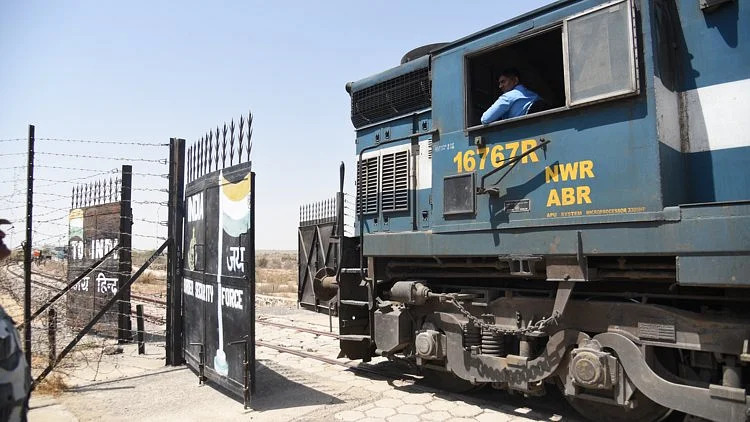
The recent escalation between India and Pakistan has drawn international attention, with both nations engaging in military operations and diplomatic exchanges. Here's a comprehensive overview of the events leading up to and following Operation Sindoor.
1. Background: The Pahalgam Attack
On April 22, 2025, a terrorist attack in Pahalgam, Indian-administered Kashmir, resulted in the deaths of 26 civilians, primarily tourists. India attributed the attack to Pakistan-based militant groups Jaish-e-Mohammed and Lashkar-e-Taiba, escalating tensions between the two countries.
2. Operation Sindoor: India's Military Response
In retaliation, India launched Operation Sindoor on May 7, targeting nine alleged militant camps in Pakistan and Pakistan-administered Kashmir. The operation marked India's deepest incursion into Pakistani territory since the 1971 war. India stated that the strikes were aimed solely at terrorist infrastructure, while Pakistan reported civilian casualties, including damage to mosques.
3. Pakistan's Counter-Operations
Pakistan responded with Operation Bunyan-un-Marsoos, launching missile attacks on Indian military bases, including those in Punjab. The conflict saw the use of drones, artillery, and airstrikes, resulting in casualties on both sides. Notably, Pakistan claimed to have downed six Indian aircraft, a figure India disputes, acknowledging some losses but not specifying numbers.
4. Ceasefire and Diplomatic Efforts
After four days of intense fighting, a ceasefire was brokered on May 10, with the intervention of the United States and other international actors. The agreement was reached following hotline communications between the Directors General of Military Operations of both countries. Despite the ceasefire, sporadic violations and diplomatic tensions persist.
5. International Reactions
The international community has expressed concern over the escalation. Brazil has backed India's anti-terror stance, emphasizing the need to combat terrorism without seeking war. Meanwhile, political figures within India, such as Rahul Gandhi, have criticized the government's handling of the ceasefire, alleging external influence in the decision-making process.



0 Comments